What Should Never Go Down Your Drains – The Septic-Killing Mistakes North Atlanta Homeowners Make Every Day

You stand at the sink after dinner, scraping grease from the pan straight into the drain because it’s faster. Or you toss a baby wipe in the toilet when company’s coming and the trash looks messy. Small moves. Quiet ones. Until the toilet starts talking back with that wet gurgle, or the shower backs up and leaves a ring of gray water around your ankles.

I’ve walked into kitchens in Alpharetta where the smell hits first—sharp, sour, the kind that clings to clothes. Homeowners swear they do everything right, yet the tank is packed with the very things that never should have gone down. North Georgia’s soil doesn’t forgive those shortcuts. Clay holds water like a grudge. Once solids build up, the drain field chokes fast.

Here’s the list I wish every homeowner in Milton, Roswell, and Johns Creek kept taped inside the cabinet.

Grease and cooking oils. They cool, harden, and coat every pipe like concrete. One Thanksgiving dinner can coat a line for years.

Paper towels, wipes, feminine products. They say flushable. They lie. They swell, tangle, and turn your lines into a knot no water pressure can break.

Coffee grounds and eggshells. They look harmless. They settle like sediment and never break down.

Harsh cleaners, bleach, paint, motor oil. They murder the good bacteria your system needs to digest waste. Without those microbes, everything just sits and rots.

Pharmaceuticals. Flush one pill and you’re sending chemicals straight into your yard. The tank can’t process them.

Instead, scrape plates into the trash. Pour grease into a jar that goes in the garbage. Keep a small bin by the toilet for anything that isn’t toilet paper. Simple swaps. They buy you years of peace.

I’ve pulled up after a homeowner finally called because “it just started smelling.” By then the repair bill was four times what a routine pump would have cost. You don’t have to reach that point.

If your drains feel slow or the yard feels too wet after rain, pick up the phone. Action Septic Tank Service answers 770-922-1434 from 7 a.m. till 10 p.m., even on weekends. We’ll come out, open the tank, and show you exactly what’s inside—no judgment, just straight talk and a plan that fits your budget.

Your system already carries enough weight. Don’t make it carry your shortcuts too.

Septic Drain Field Care – How North Georgia’s Clay Soil and Sudden Rains Quietly Destroy Your Yard

You mow the lawn on a Saturday, notice one patch greener than the rest, brighter, almost glowing. You figure it’s the fertilizer finally kicking in. Weeks later the grass stays wet long after the rain stops. Then comes the smell.

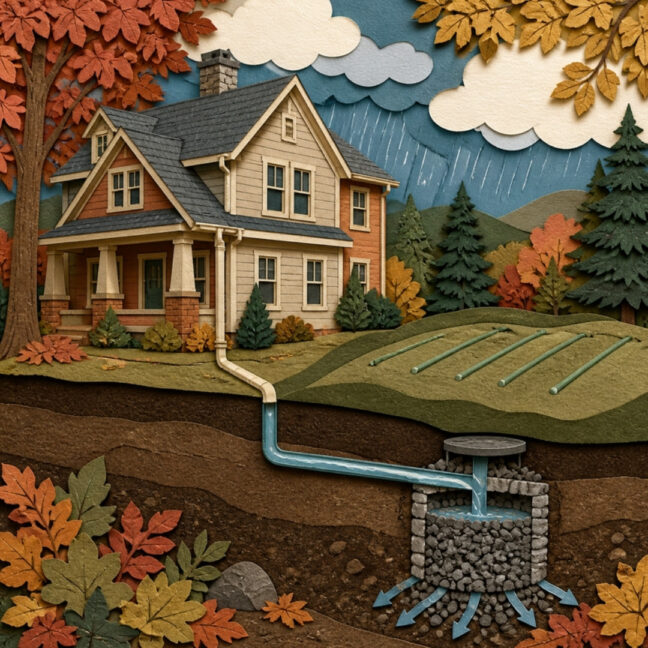
That lush stripe over your drain field isn’t luck. It’s wastewater rising because the clay underneath won’t let it go anywhere else. I’ve seen it in Cumming, in Sandy Springs, in every corner of North Fulton where the red dirt runs deep. Georgia clay holds moisture like it’s storing it for a drought that never comes. Add one heavy spring storm and the field saturates. Roots invade. Pipes crack. The whole system backs up into your basement or your kids’ bathroom.

You can slow the damage.

First, never park or drive over the drain field. The weight compacts the soil further and crushes lines you can’t even see.

Second, plant only shallow-rooted grass or flowers directly above it. Trees belong twenty feet away at minimum. Their roots hunt water the way kids hunt snacks—straight to the source.

Third, divert roof runoff and downspouts away from the field. One gutter pouring straight onto the gravel can drown the system in a single afternoon.

Fourth, cut back on water use during wet weeks. Space out showers, laundry, dishwasher loads. The field needs breathing room.

I remember a home in Johns Creek where the owner thought the bright grass meant his lawn was finally healthy. We dug a small test hole and the water table sat six inches from the surface. The field was drowning. A few pipe adjustments and a pump-out later, the yard dried and the smell vanished.

Your drain field works harder than you realize, filtering every drop before it reaches the groundwater your family drinks. Give it room. Watch it.

If that green patch worries you or the ground feels spongy underfoot, call us at 770-922-1434. Action Septic Tank Service has been mapping these North Atlanta yards for over twenty years. We’ll walk the property, check flow, and tell you in plain terms what’s happening underground—no sales pitch, just the truth and the next right step.

Grease Traps and Commercial Septic Systems – Why Restaurants and Offices in Roswell Can’t Afford to Skip Service

The lunch rush ends. Your kitchen staff wipes down the fryers. Grease disappears down the drain like it always does. Out back, the trap sits quiet—until the day it isn’t.

I’ve crawled under restaurant sinks in Roswell and offices in Peachtree Corners where the trap had turned into solid fat. One clogged trap backs up into the whole building. Health inspectors don’t wait. Customers smell it before they taste the food.

Commercial systems carry heavier loads than homes. More people, more grease, more chemicals from cleaning supplies. Georgia code requires grease traps to be pumped on a strict schedule, and the fines for missing it add up faster than you think.

We service these traps with vacuum trucks that pull every ounce of grease and solids in one pass. We measure, record, and give you the paperwork your inspector wants. Same-day service keeps your doors open and your reputation clean.

We also handle the main septic tank and drain field behind the building. Clay soil here doesn’t care if you’re serving burgers or balancing spreadsheets—saturation hits the same. Early line cleaning with hydro jetting clears roots and buildup before they turn into weekend emergencies.

One café owner in Sandy Springs told me he thought the trap was “fine” because it never overflowed. We opened it and found a foot of hardened grease. Two hours later the system ran smooth again and his insurance premium stayed where it belonged.

If your business serves food or handles heavy wastewater, you already know the drill: ignore the trap and the health department reminds you. Don’t wait for that reminder.

Action Septic Tank Service runs commercial routes across North Atlanta every week. Call 770-922-1434. We’ll set up a schedule that fits your hours, keep your records straight, and make sure your system stays invisible—the way it should.

Your customers come for the food or the service. They stay because nothing unexpected hits them when they walk through the door. Keep it that way.

7 Warning Signs Your Septic Tank Needs Immediate Service

Your septic system whispers before it screams.

The key is catching the warning signs early.

Here are the most common red flags we see in North Georgia homes.

1. Slow Drains Throughout the House

If one sink is slow, it may be a clog.
If multiple drains are slow, your septic tank may be full.

2. Gurgling Sounds

Toilets or drains making bubbling noises often signal restricted flow.

3. Sewage Odor Indoors or Outdoors

If you smell sulfur or sewage near your yard or inside your home, do not ignore it.

4. Pooling Water in the Yard

Standing water near the drain field — especially without recent rain — is a serious warning.

5. Lush, Bright Green Grass Over the Drain Field

It may look healthy, but it can mean wastewater is surfacing.

6. Sewage Backup in Toilets or Tubs

This is a full emergency situation.

7. It’s Been Over 3–5 Years Since Your Last Pump

Even without symptoms, time alone can justify service.

What To Do Next

If you’re experiencing one or more of these signs, call immediately. Waiting can turn a manageable pump-out into a major repair.

Preventative maintenance is always cheaper than restoration.

How Often Should You Pump Your Septic Tank in Alpharetta?

This is one of the most common questions we get.

The answer depends on three things:

Household size

Tank size

Water usage habits

General Rule

Most residential septic tanks in North Georgia should be pumped every 3 to 5 years.

But that’s not universal.

Larger Households

More people = more wastewater = faster sludge accumulation.

A household of five may need pumping closer to every 2–3 years.

Garbage Disposals Increase Load

If you regularly use a garbage disposal, your tank fills faster.

Vacation Homes

Homes used seasonally may stretch closer to the 5-year mark.

Why Pumping Matters

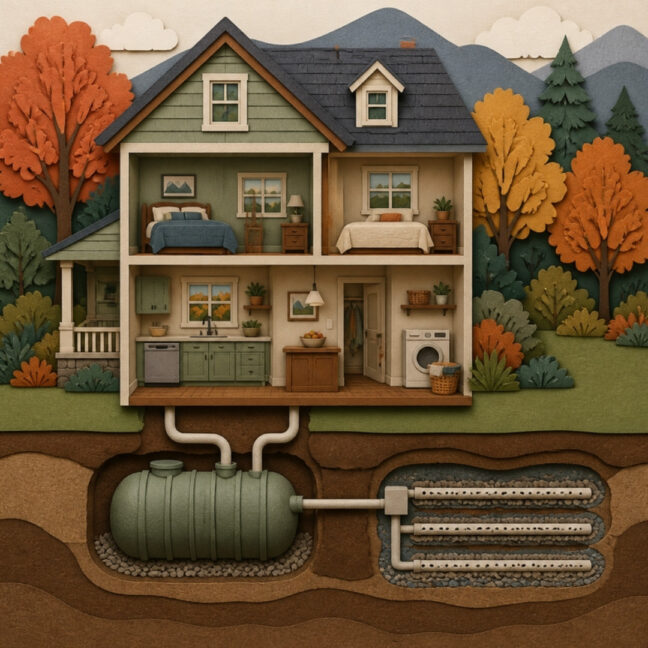
Inside your septic tank, solids settle at the bottom. Over time, that layer thickens.

If it grows too high:

Solids escape into the drain field

Lines clog

The system fails

Drain field replacement can cost thousands.

Routine pumping costs a fraction of that.

Smart Move

If you’re unsure when your last service was, schedule an inspection. It’s better to know than guess.

Why Septic Systems Fail in North Georgia (And How to Prevent It)

If you live in North Georgia, your septic system works harder than you think.

Clay-heavy soil. Sudden rainstorms. Expanding suburban development. All of it impacts how your system performs — and how long it lasts.

Most septic failures don’t happen overnight. They build quietly. Then suddenly you’re dealing with sewage backups, foul odors, or a soaked yard.

Here’s what causes most failures in the Alpharetta and surrounding areas.

1. Poor Drainage from Clay Soil

North Georgia soil doesn’t drain like sandy coastal regions. Clay holds water. That means when heavy rains hit, your drain field may already be saturated.

When the soil can’t absorb more wastewater, it backs up.

Prevention:

Pump every 3–5 years

Redirect gutters away from the drain field

Avoid compacting soil over the field

2. Skipping Regular Pumping

Many homeowners wait until there’s a problem.

That’s a mistake.

Sludge builds up over time. If it’s not removed, it pushes solids into the drain field. Once that happens, repairs get expensive — fast.

Routine pumping costs far less than replacing a failed field.

3. Flushing the Wrong Things

“Flushable” wipes are not septic-safe. Neither are paper towels, grease, or feminine hygiene products.

Your system is designed for:

Human waste

Toilet paper

That’s it.

Everything else increases the risk of clogs and overflow.

4. Heavy Vehicle Traffic

Parking trucks or equipment over your septic tank or drain field compresses soil and can crack pipes.

We’ve seen it too many times.

The Bottom Line

Septic systems in Alpharetta and surrounding North Georgia communities require proactive care. Regular inspections and pumping extend the life of your system and prevent emergencies.

If it’s been more than three years since your last pump, schedule service now — before the problem announces itself.

Top 7 Reasons Your Septic System Fails—And How to Prevent Every One of Them

Most septic disasters are preventable. Here are the biggest causes of failure and how we help homeowners avoid them every day.

1. Not Pumping the Tank on Time

The #1 cause of backups. Regular maintenance is the cure.

2. Flushing the Wrong Items

Wipes, tampons, cotton swabs, and paper towels clog septic systems fast.

3. Heavy Water Usage

Too much laundry or long showers can overload the tank.

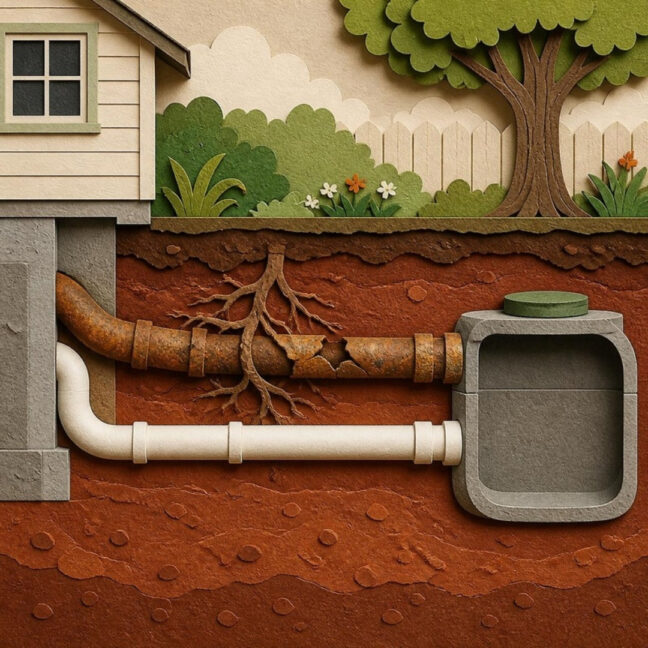
4. Tree Roots in the Lines

Roots break pipes, block flow, and destroy drain fields.

5. Poor Drain Field Health

When soil can’t absorb wastewater, the entire system fails.

6. Using Harsh Chemicals

Bleach, drain cleaners, and antibacterial soaps kill the good bacteria your tank needs.

7. Old or Damaged Pipes

Aging systems need regular inspection to catch early signs of wear.

We Protect Your Home From All 7 Problems

Our team handles pumping, inspections, repairs, and full system replacement when needed. Fast, clean, affordable.

For fast service in Alpharetta, Milton, Roswell, Johns Creek, and North Fulton, call 770-922-1434 or visit ActionSepticTankService.com.

Emergency Septic Backup? Here’s What To Do Before It Gets Worse

A septic backup can happen without warning—but what you do in the next 30 minutes makes all the difference.

1. Stop Using All Water Immediately

Prevent further flooding by shutting down washing machines, showers, and sinks.

2. Check the Lowest Drain in Your Home

If water is coming up through tubs or floor drains, your tank is full or your main line is blocked.

3. Don’t Try DIY Fixes

Store-bought chemicals damage your system and make professional repair more expensive.

4. Keep Children and Pets Away

Wastewater contains harmful bacteria—avoid contact until a professional arrives.

5. Call an Emergency Septic Technician

We respond fast, pump the tank, clear the line, and restore normal flow safely and professionally.

Backups never fix themselves. The longer you wait, the more damage spreads.

For fast service in Alpharetta, Milton, Roswell, Johns Creek, and North Fulton, call 770-922-1434 or visit ActionSepticTankService.com.

Why You Should Never Ignore Septic Smells—What the Odor Is Really Telling You

A septic odor is more than unpleasant—it’s a danger signal from your system.

Common Causes of Septic Odors

  • Full or overflowing tank
  • Clogged vent pipes
  • Cracked or leaking lines
  • Drain field failure
  • Improper bacteria balance in the tank

Are Septic Odors Dangerous?

Yes. Wastewater gases can contain methane and hydrogen sulfide, which are harmful to breathe and can indicate system leaks.

What To Do When You Smell Something

  1. Don’t mask it with air fresheners—it won’t go away.
  2. Avoid flushing anything unusual.
  3. Call a licensed septic professional immediately.

Our technicians locate the source fast, fix the problem, and protect your home from toxic exposure.

For fast service in Alpharetta, Milton, Roswell, Johns Creek, and North Fulton, call 770-922-1434 or visit ActionSepticTankService.com.

How Often Should You Pump Your Septic Tank? The Homeowner’s Complete Guide

Most septic failures happen because homeowners wait too long between pumpings. But pumping isn’t guesswork—it’s science.

Recommended Pumping Schedule

  • 1–2 people in home → Every 4–5 years
  • 3–4 people → Every 3–4 years
  • 5+ people → Every 2–3 years

What Affects Pumping Frequency

  • Laundry volume
  • Garbage disposal use
  • Water usage
  • Age of your septic system
  • Tank size

If you’ve never pumped your tank—or you’re not sure when it was last done—it’s time.

Why Regular Pumping Saves You Money

A routine pump costs a fraction of what a failed drain field costs. Preventative maintenance is the #1 way to avoid emergency backups.

For fast service in Alpharetta, Milton, Roswell, Johns Creek, and North Fulton, call 770-922-1434 or visit ActionSepticTankService.com.

5 Warning Signs Your Septic Tank Is About to Fail—And Why You Should Call Today

Homeowners ignore septic problems until they become emergencies. But the truth is simple: your system always gives you warnings before disaster strikes.

Here are the five red flags you cannot overlook:

1. Slow Drains in the Kitchen or Bathroom

If water takes too long to empty, your septic tank may be overloaded or backing up. Snaking the line won’t fix a full tank—pumping will.

2. Gurgling Sounds in the Pipes

That bubbling noise? It’s the system begging for attention. Gurgling means the septic tank is struggling to move wastewater the way it should.

3. Sewage Odors Indoors or Outside

A healthy system never smells. If you catch even a faint odor, the tank could be overflowing or leaking.

4. Soggy or Green Patches on the Lawn

When your drain field gets saturated, it pushes wastewater to the surface. That “extra green” grass is a sign of trouble—not luck.

5. Drains Backing Up Into Your Home

This is the final warning. Once sewage returns to your tubs or toilets, the system has hit critical failure.


Why Act Now

Waiting turns a simple pump into a multi-thousand-dollar drain-field repair. Our team responds same-day, handles emergencies, and keeps your home safe and clean.

📞 For fast service in Alpharetta, Milton, Roswell, Johns Creek, and North Fulton, call 770-922-1434 or visit ActionSepticTankService.com.